





Campgrounds across Alaska saw varying business levels this year compared to last year, partly because of fewer Canadian visitors, according to park operators and industry officials.
“Canadian travel plays an important role in Alaska’s campground business,” said Shannon Miller, executive director of the Alaska Campground Owners Association. “This season, experiences seem to vary by location. Some parks noticed changes in Canadian visitation, while others are reporting steadier numbers. Overall, it doesn’t appear to be as clear-cut a trend as what’s being seen in the Sunbelt.”
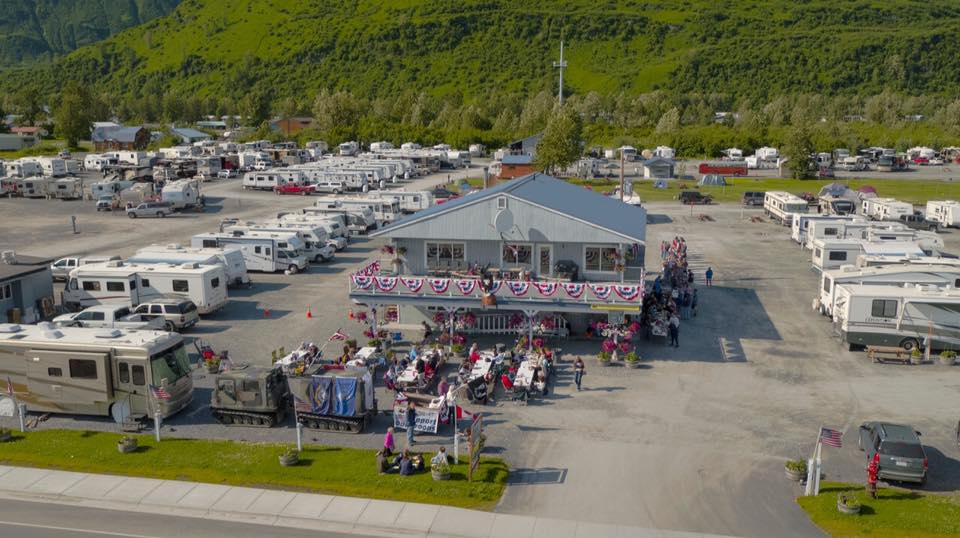
Occupancies were down about 2% at Eagle’s Rest RV Park & Cabins in Valdez, Alaska’s largest park, according to Mychele R. Bisson, CEO of Bison Peak Ventures, which acquired the 400-site site park early this year.
“We’ve noticed fewer Canadian travelers than in years past,” she said. “But, interestingly, we’ve had more ‘bucket listers’ from across the U.S. making the trek.”
Bisson said she is planning to increase her advertising and has already recruited influencers to help boost Eagle’s Rest’s visibility for the 2026 season.
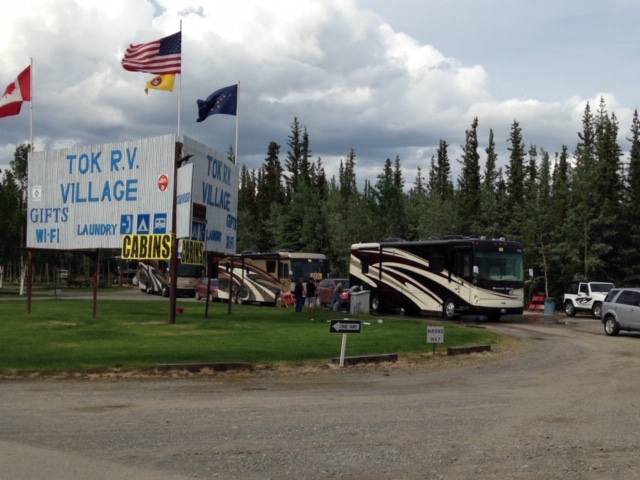
Meanwhile, occupancies were down about 15% at Alaska’s second-largest RV park, Tok Village R.V. Park & Cabins in Tok, according to Mike Jernigan, who has owned and operated the park for 39 years.
The park, which features 161 RV sites, three glamping tents and nine cabins, is located along the Alaska Highway about two hours from the Canadian border. It’s the first Alaskan RV park visitors encounter when driving the Alaska Highway from Canada’s Yukon Territory.
Jernigan attributed the decline in occupancies in part to the loss of Canadian travelers. He noted that a couple of caravan groups canceled their reservations in response to President Trump’s tariff policies.
“I didn’t see that many Germans this year, either,” he said, although he said his park typically sees a mix of travelers of all ages, including military families and families traveling with grandchildren.
Scott Reisland, general manager of Denali Grizzly Bear Resort & Campground, estimated that his campground occupancies were down about 15 to 20% this year compared to last year.
“I will know come October, for sure, when I finish the summer’s accounting,” he said. “I’m seeing RV traffic down from last summer. I don’t believe many Canadians are coming up, either.”
Not every Alaskan campground or RV park had the same experience, however.
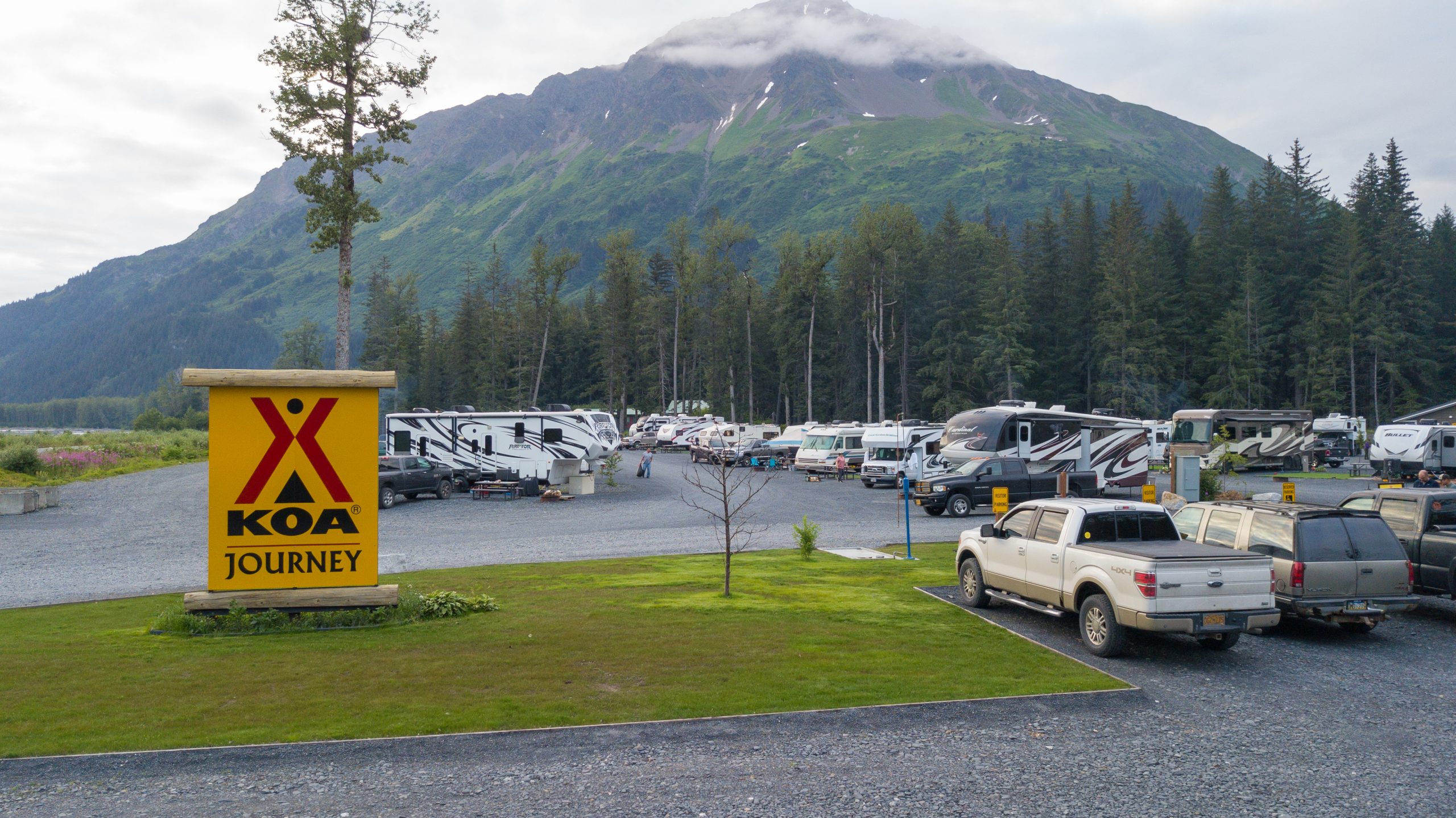
Billings, Mont.-based Kampgrounds of America, Inc. (KOA), which has five franchisees in Alaska, said its parks’ occupancies were “relatively steady compared to 2024,” according to Kim Wootteon, KOA’s vice president of commercial strategy. “Notably, reservations from international campers — those outside the U.S. — have increased slightly, up 3% over last year.”
Business was up at the Seward KOA Holiday in Seward and Palmer/Anchorage North KOA Journey in Palmer, both of which are owned and operated by Bree and Billy Dodson.
“Both our parks are up. Canadians are coming to Alaska and so are international travelers,” Bree said.